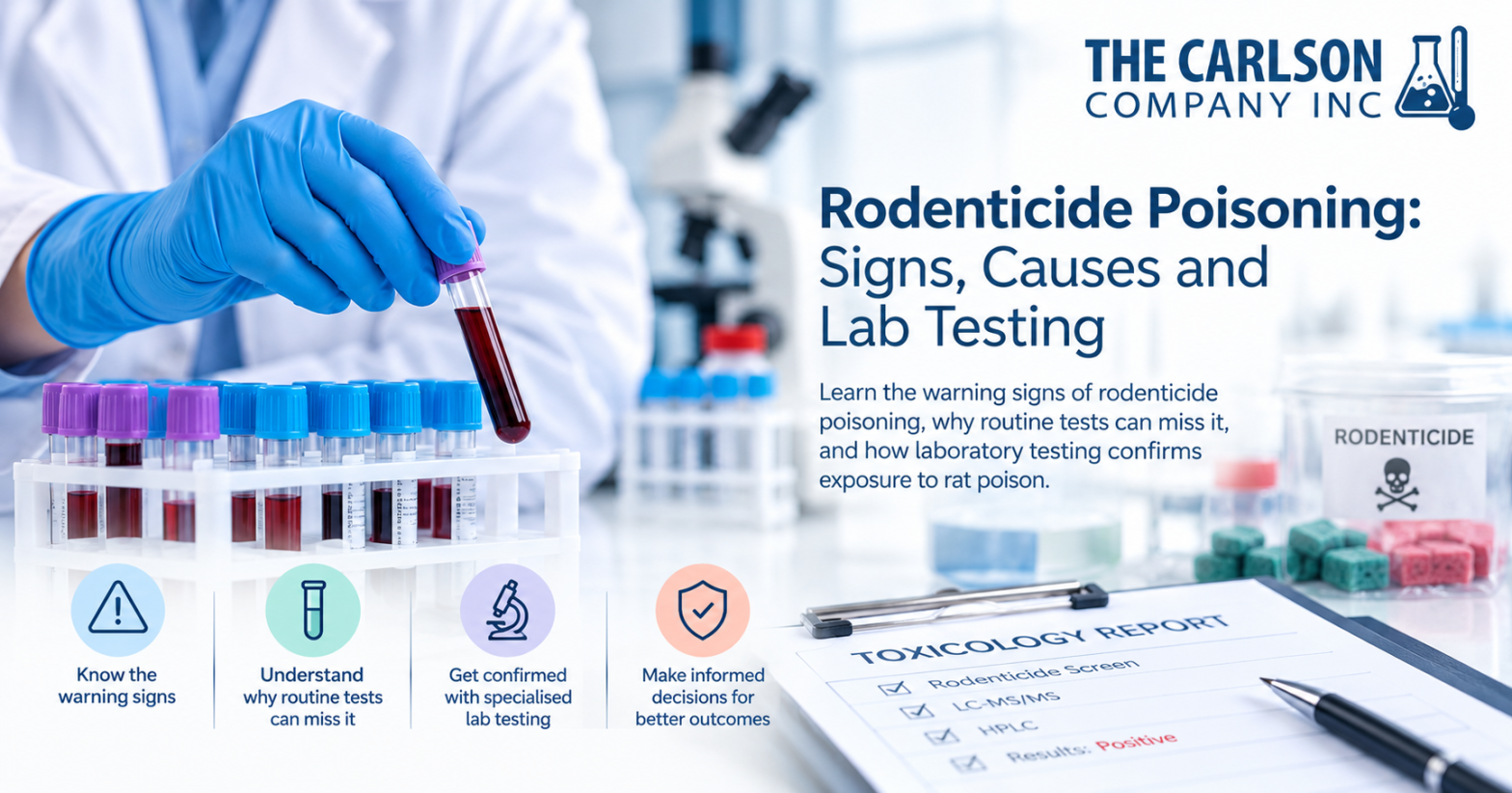
Rodenticide Poisoning in Humans: Warning Signs and How Laboratory Testing Confirms It Quick Answer Rodenticide (rat poison) poisoning happens when a person swallows or is exposed to a product made to kill rodents. T...
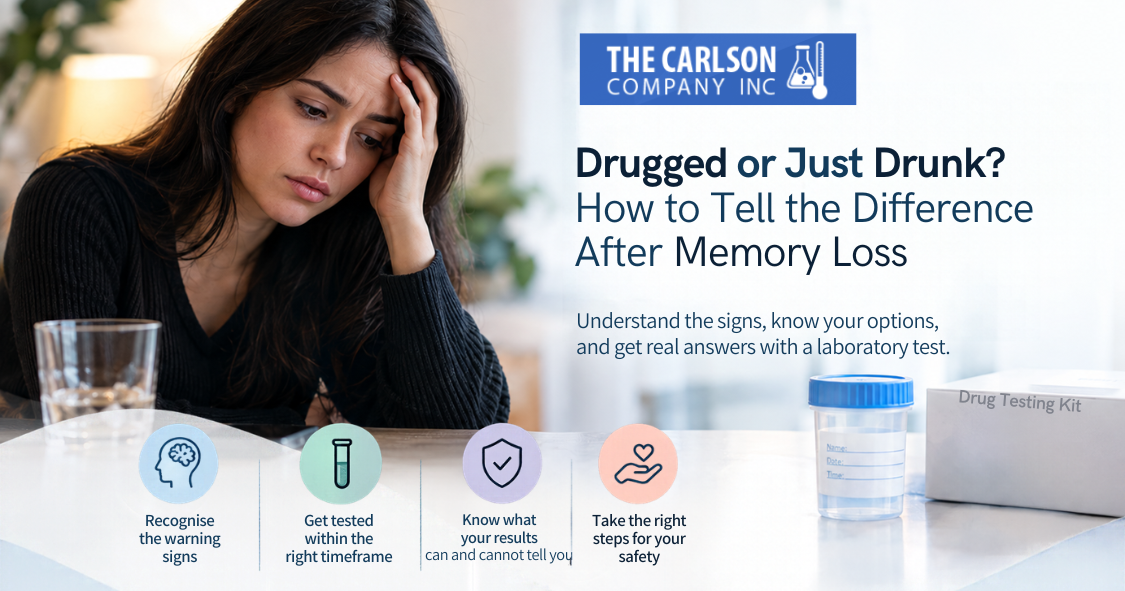
Drugged or Just Drunk? How to Tell the Difference After Memory Loss You wake up and part of last night is missing. You remember arriving, you remember a drink or two, and then nothing, or only fragm...
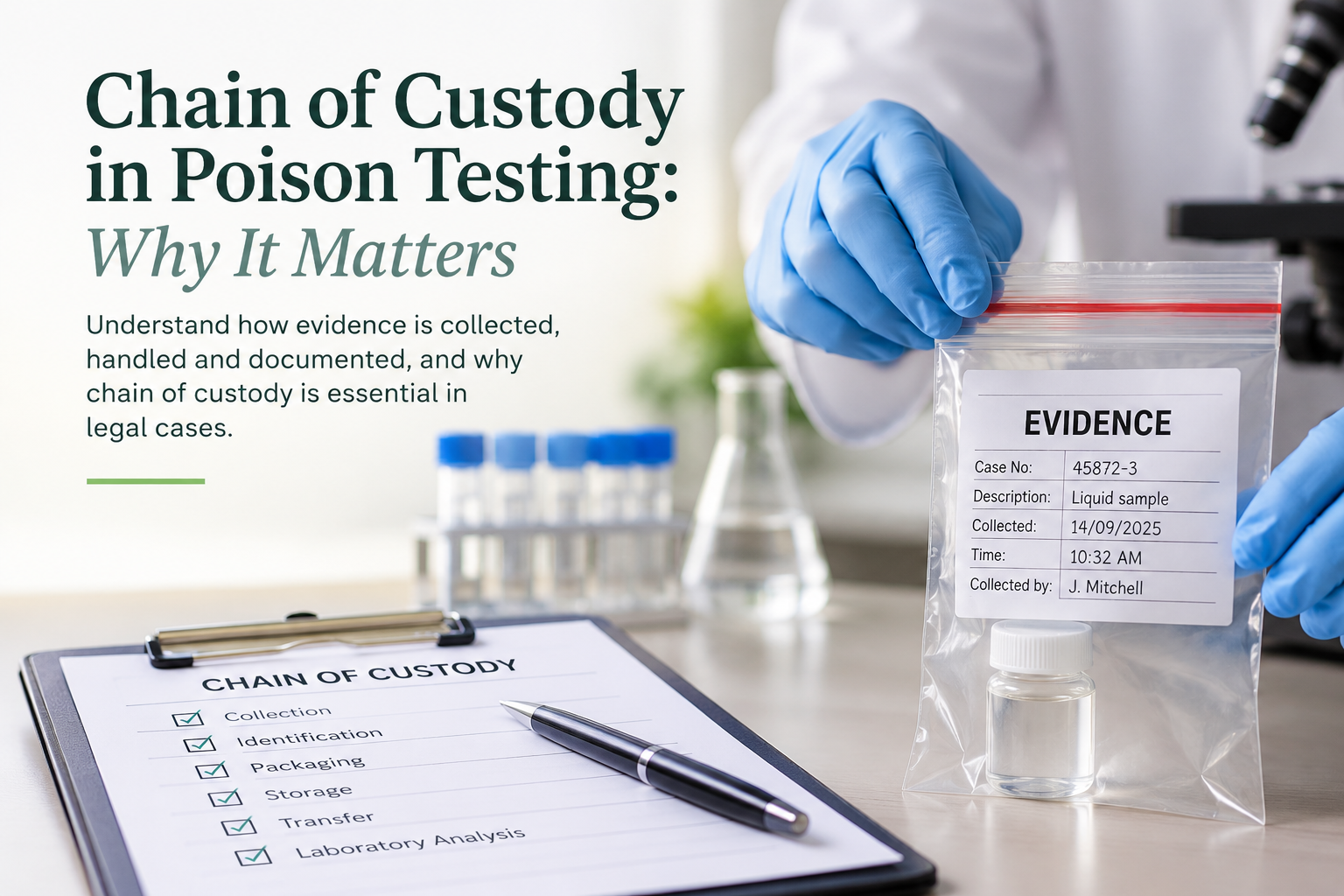
Why Does Chain of Custody Matter in Poison Testing for Legal Cases? Quick Answer Chain of custody in poison testing is the documented record of how a sample is collected, identified, transferred, s...
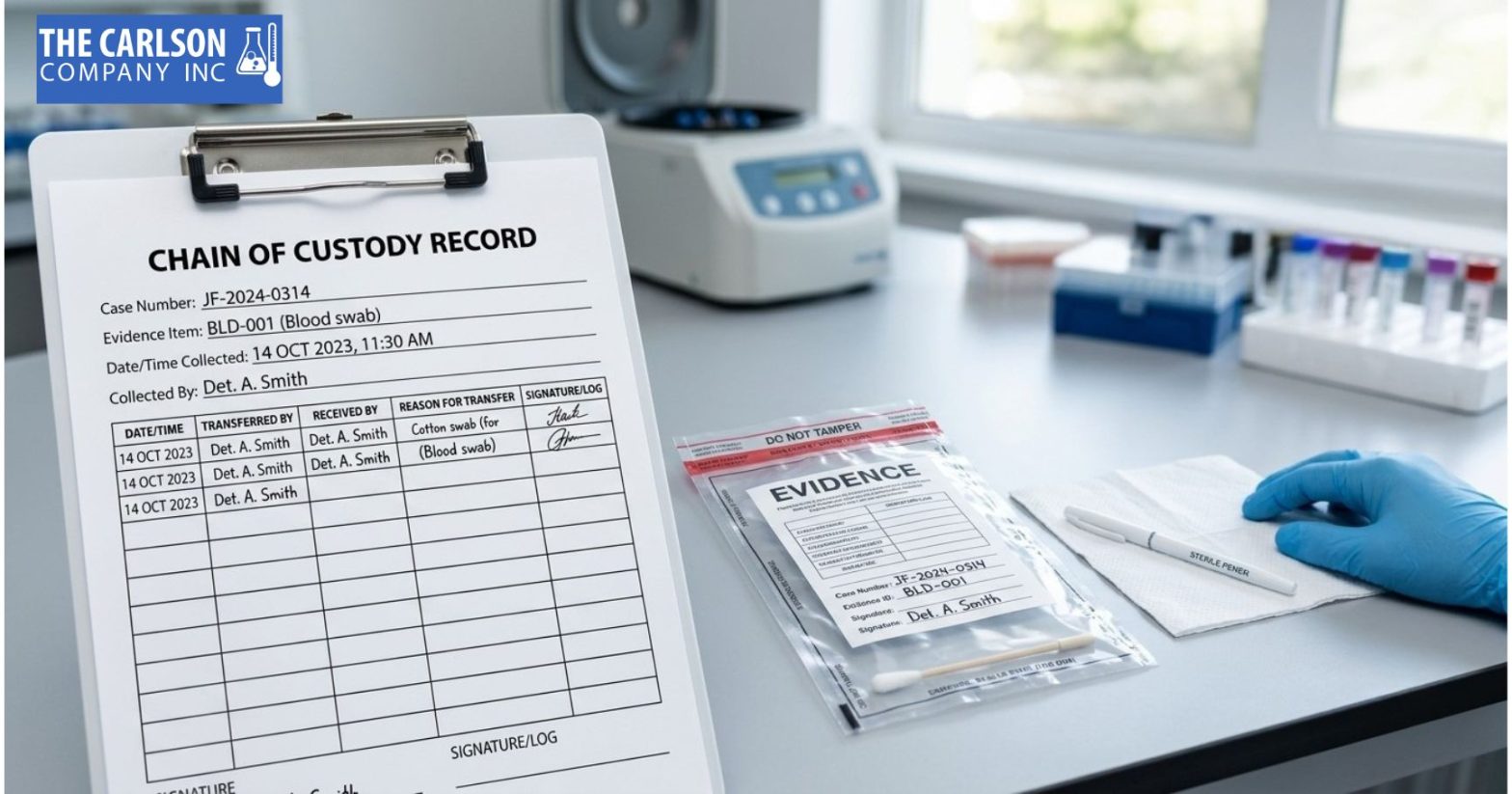
What Can Compromise the Chain of Custody of Forensic Evidence? Forensic evidence can be highly valuable in an investigation, but its value depends not only on what a laboratory finds. There mus...
Heavy Metal Exposure at Home: Common Sources and Prevention Tips Could something in your home be exposing you or your family to heavy metals? Lead, mercury, arsenic and cadmium can enter the h...
Cyanide Blood Test: How It Works and What It Can Detect Quick Overview A cyanide blood test is a specialized laboratory test used to detect or measure cyanide in a blood specimen. It ...
Are Online Pill Identifiers Accurate? Understanding Their Limitations Online pill identifiers can be helpful when you are trying to find preliminary information about an unfamiliar tablet or capsule. ...
Do Antidepressants Show Up on Drug Tests? What to Know If you take a prescription antidepressant and need to undergo drug testing, you may wonder whether the medication could affect you...
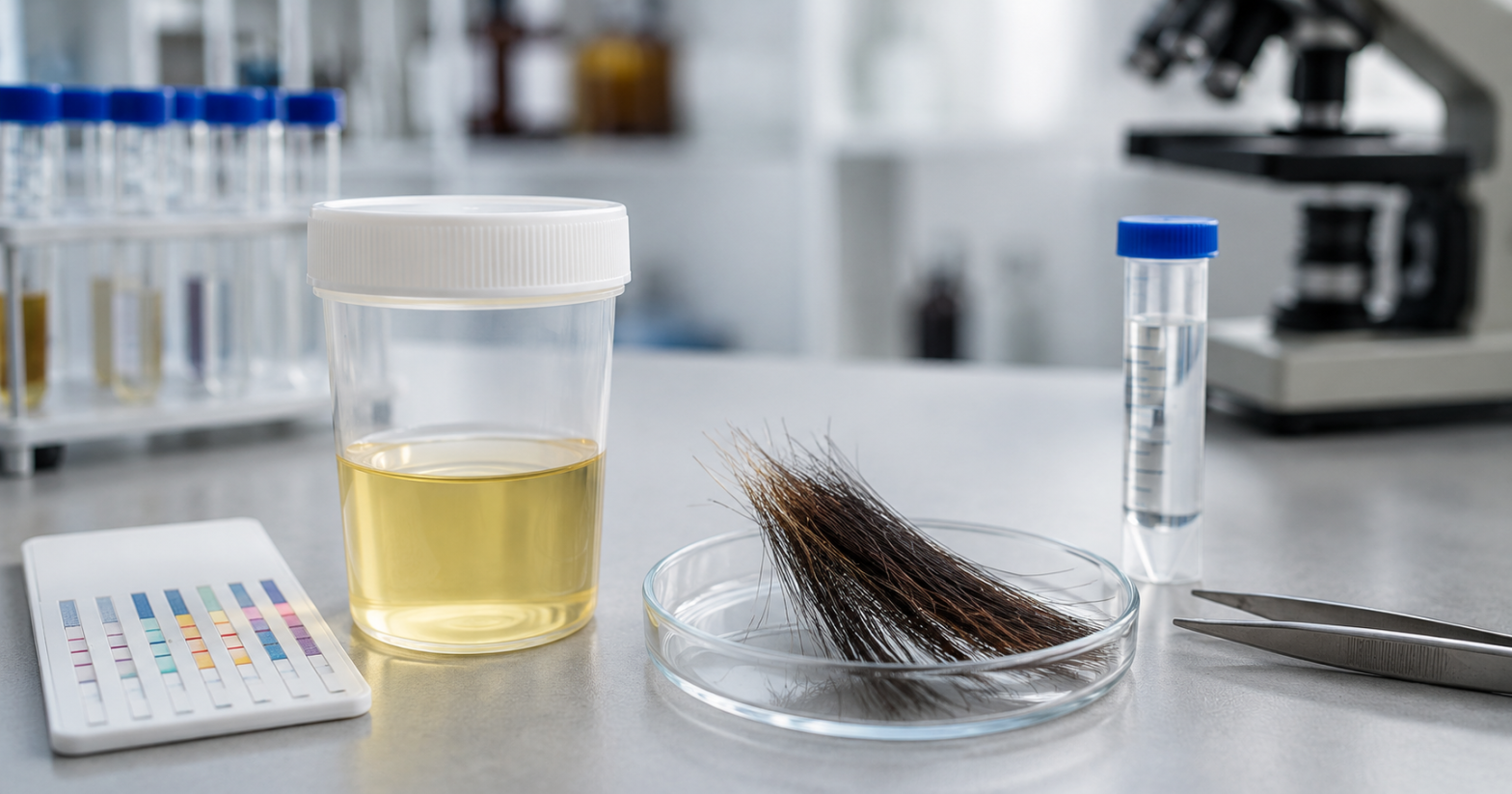
Why Urine Tests and Hair Tests Can Give Conflicting Results It's a question our lab in Westminster, Colorado hears often, from parents in custody disputes, employees disputing a workplace re...
Tetrahydrozoline Poisoning in Children: Emergency Signs Every Parent Should Know Eye drops are a common household medicine, but many parents don't realise that some redness-relief products can become dangerous i...
Beyond Drug Testing: How Hair Sample Testing Detects Chemicals, Toxins & Heavy Metal Exposure Most people associate hair sample testing with drug screening, but that's only part of the story. Hair can also provide valuable i...
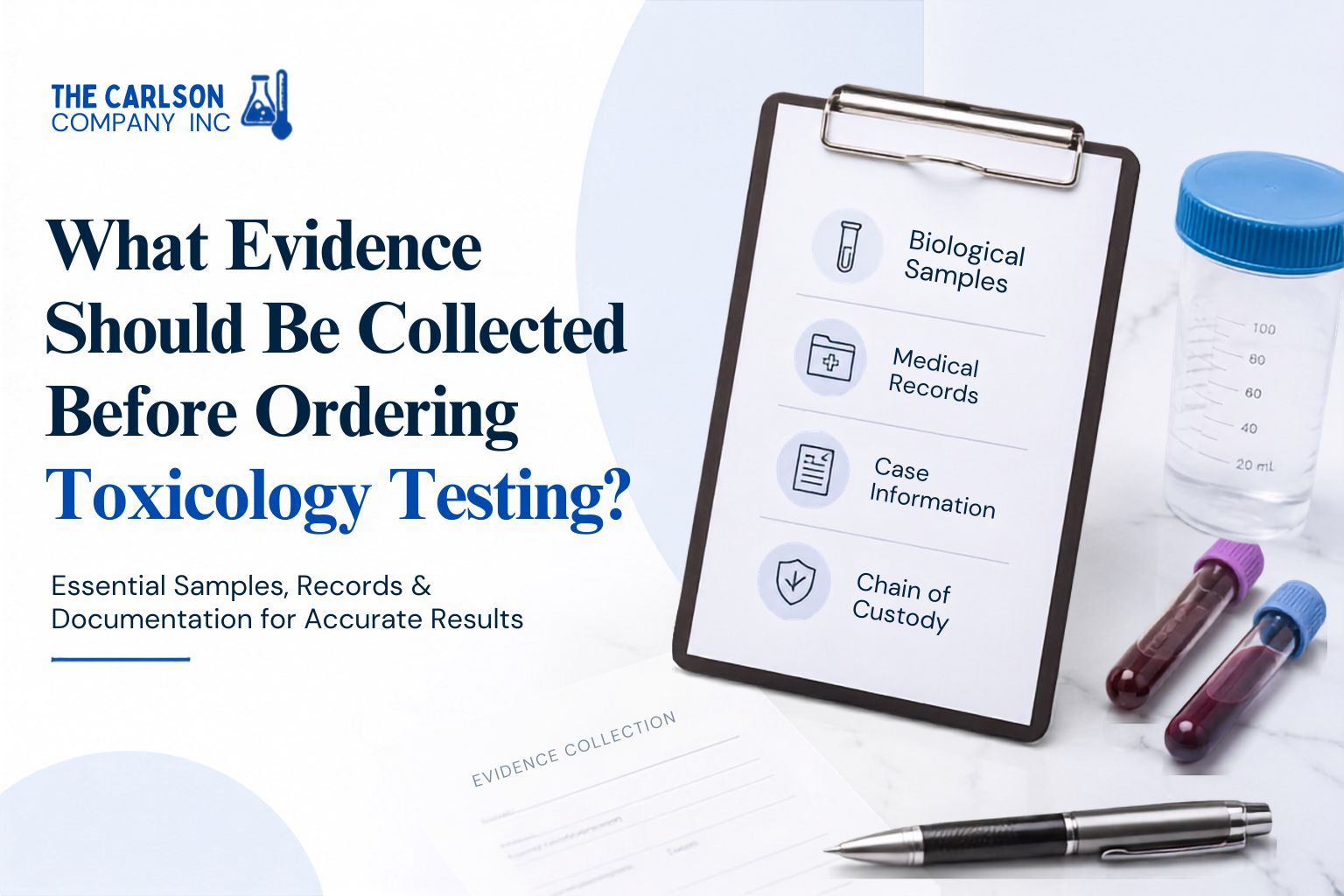
What Evidence Should Be Collected Before Ordering Toxicology Testing? When preparing for postmortem forensic toxicology testing, having the right evidence and documentation available is just as import...