
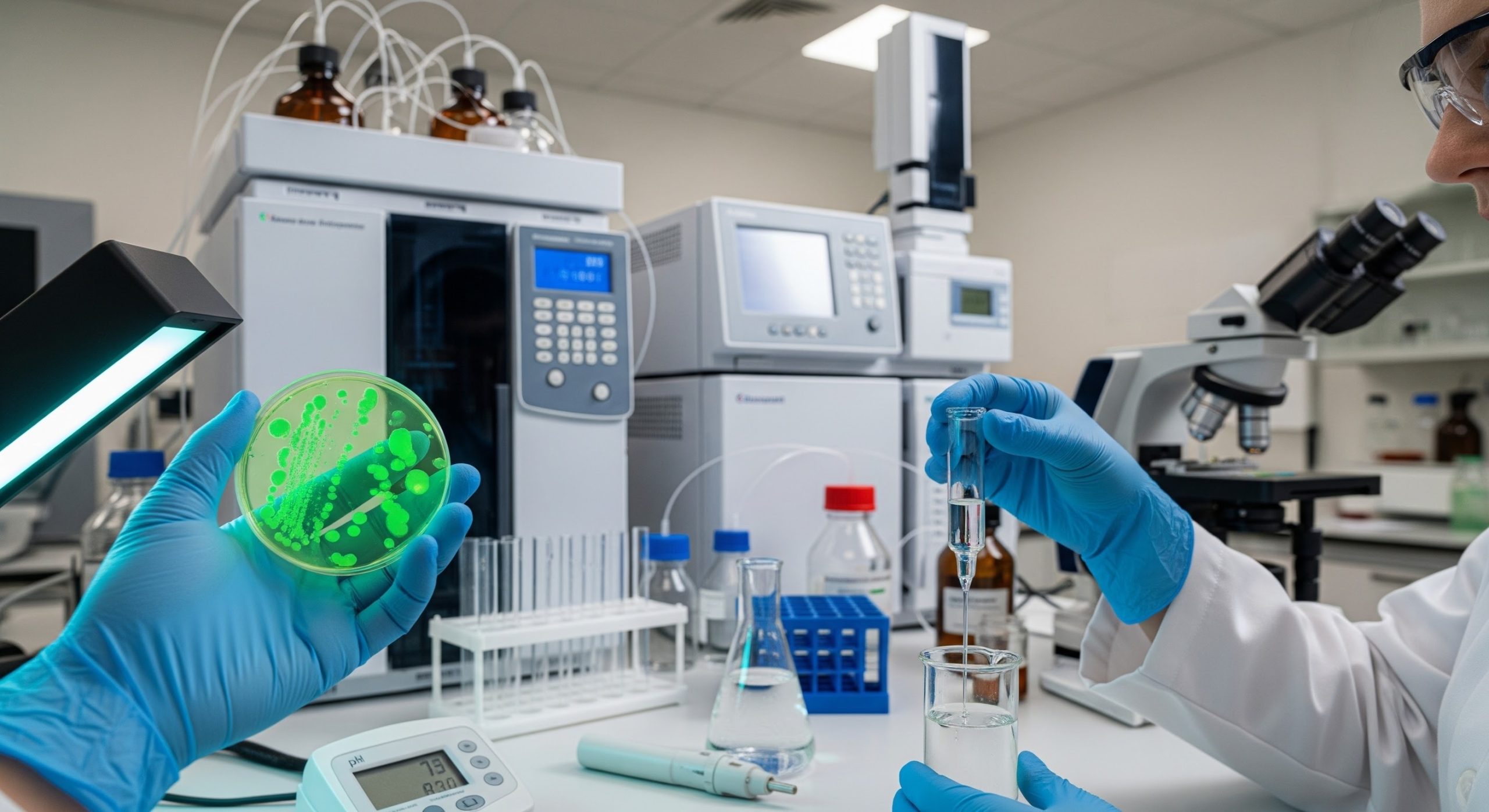
Food and water poisoning can occur when harmful bacteria, chemicals, or toxins contaminate the things we eat and drink. These contaminants are often invisible and may not change the taste or smell of food or water. Because of this, identifying contamination requires specialized scientific analysis.
Modern laboratories use advanced testing methods to identify toxins and contaminants. Through forensic toxicology testing services, scientists can analyze food, water, and biological samples to determine whether poisoning has occurred.
Understanding how laboratories detect contaminants helps individuals, investigators, and health professionals uncover the source of illness and prevent further exposure.
Understanding Food and Water Poisoning
Food and water poisoning occur when harmful substances enter the body through contaminated food or drinking water. These contaminants can affect the digestive system, nervous system, or other organs, depending on the type and quantity of toxin involved.
Symptoms can vary widely but often include:
- Nausea and vomiting
- Stomach cramps
- Diarrhea
- Fever
- Fatigue or weakness
In severe cases, neurological symptoms or organ damage may occur. When poisoning is suspected, poison detection and toxin analysis performed in a laboratory can help identify the harmful substance involved.
While many mild cases resolve on their own, serious contamination can lead to long-term health complications or even death.
In suspected poisoning cases, laboratory analysis is often necessary to determine exactly what caused the illness.
Common Sources of Food and Water Contamination
Food and water contamination can happen in many ways. Understanding the sources helps investigators determine what type of testing may be required.
Bacterial Contamination
One of the most common causes of food poisoning is harmful bacteria. These microorganisms can multiply rapidly in improperly stored or handled food.
Common bacterial contaminants include:
- Salmonella
- E. coli
- Listeria
Laboratories can perform laboratory testing for contaminated food to determine whether harmful bacteria are present.
Chemical Contamination
Chemicals can enter food and water through environmental pollution, industrial waste, or improper storage.
Examples include:
- Pesticides
- Cleaning agents
- Industrial solvents
- Agricultural chemicals
Even small amounts of these substances can cause significant health problems.
Heavy Metal Contamination
Heavy metals are toxic elements that can accumulate in food or water sources. Long-term exposure can damage organs and affect the nervous system.
Common heavy metals detected in contamination cases include:
- Lead
- Mercury
- Arsenic
- Cadmium
These metals may enter water supplies through corroded pipes, industrial runoff, or environmental pollution.
Natural Toxins
Some foods naturally contain toxins that become dangerous when consumed in large quantities or when improperly prepared.
Examples include:
- Toxins produced by bacteria
- Poisonous mushrooms
- Certain plant toxins
Laboratory testing is often required to confirm these substances.
Why Laboratory Testing Is Essential
In many poisoning cases, the source of contamination is not immediately obvious. Food may look fresh, and water may appear clear. Symptoms alone are rarely enough to identify the exact toxin responsible.
Laboratories use advanced testing techniques to analyze samples and identify contaminants accurately.
Professional laboratory testing helps:
- Confirm whether poisoning occurred
- Identify the specific toxin involved
- Determine the level of exposure
- Provide evidence for legal or medical investigations
Without laboratory testing, the true cause of contamination may remain unknown.
Types of Samples Used in Contamination Testing
When investigating food or water poisoning, laboratories analyze different types of samples depending on the circumstances.
Food Samples
Suspected food items are collected and tested for bacteria, chemicals, and toxins. Laboratory analysis can reveal whether contamination occurred during production, storage, or preparation.
Water Samples
Water testing identifies pollutants, chemicals, and microorganisms present in drinking water. This type of testing is particularly important in cases involving well water, environmental contamination, or suspected tampering.
Biological Samples
In suspected poisoning cases, laboratories may also analyze biological samples from the affected individual.
These may include:
- Blood
- Urine
- Hair samples
- Tissue samples
Testing these materials helps confirm whether harmful substances entered the body.
Laboratory Methods Used to Detect Contaminants
Modern laboratories rely on sophisticated technology to detect contaminants in food and water. These techniques can identify substances even at extremely low concentrations.
Gas Chromatography
Gas chromatography is one of the most widely used methods for chemical analysis.
This technique separates chemical compounds within a sample so they can be identified individually. It is particularly useful for detecting pesticides, solvents, and other chemical contaminants.
Mass Spectrometry
Mass spectrometry is often used alongside chromatography. It measures the molecular structure of compounds and compares them with known chemical databases.
This method allows scientists to identify substances with a very high degree of accuracy.
Liquid Chromatography
Some contaminants cannot be vaporized, making gas chromatography unsuitable. Liquid chromatography is used in these situations.
This technique is commonly used to detect:
- Pharmaceuticals
- Biological toxins
- Complex chemical mixtures
Microbiological Testing
When bacterial contamination is suspected, microbiological testing is performed. Scientists culture samples to determine whether harmful microorganisms are present.
This process helps identify pathogens responsible for foodborne illness.
Investigating Suspected Poisoning Cases
Food and water contamination investigations often involve multiple steps.
First, investigators gather evidence and collect samples from the suspected source. Proper handling and documentation are essential to ensure accurate results.
Next, laboratories analyze the samples using various testing methods. Scientists carefully interpret the results to determine whether contaminants are present and at what levels.
Finally, detailed reports are prepared for medical professionals, investigators, or legal teams.
This systematic approach helps uncover the truth behind suspected poisoning cases.
The Importance of Chain of Custody in Laboratory Testing
In cases involving legal disputes or criminal investigations, laboratories must follow strict chain-of-custody procedures.
Chain of custody ensures that every sample is carefully tracked from the moment it is collected until the final report is produced.
This documentation records:
- Who collected the sample
- When it was collected
- How it was transported
- Who handled it during testing
Maintaining this record ensures that results are credible and can be used as evidence if necessary.
Preventing Food and Water Contamination
While laboratory testing is essential for detecting contaminants, prevention remains the best defense against poisoning.
Some important preventive measures include:
- Proper food storage and refrigeration
- Thorough cooking of meats and seafood
- Washing fruits and vegetables
- Using clean water sources
- Avoiding cross-contamination during food preparation
Communities and regulatory agencies also play a role by monitoring food production and water quality.
When to Consider Professional Laboratory Testing
There are several situations where professional testing may be necessary.
You may consider laboratory analysis if:
- Multiple people become sick after eating the same food
- Water sources may be contaminated
- There is suspicion of chemical exposure
- Symptoms appear suddenly after consuming food or beverages
- Legal or forensic investigations require evidence
Professional laboratories provide accurate testing and detailed reports that can help determine the cause of contamination.
The Role of Forensic Laboratories in Public Safety
Forensic laboratories play a vital role in protecting public health and safety. By detecting contaminants quickly and accurately, they help prevent further exposure and provide answers in complex cases.
Advanced technologies allow scientists to detect substances at incredibly small levels, making it possible to identify toxins that might otherwise go unnoticed.
These capabilities are especially important in cases involving environmental contamination, food safety investigations, or suspected poisoning.
Conclusion
Food and water poisoning can have serious consequences, especially when the source of contamination is unknown. Because many toxins and pollutants cannot be detected by sight, smell, or taste, laboratory testing is often the only reliable way to identify them.
Through advanced scientific techniques such as chromatography, mass spectrometry, and microbiological analysis, laboratories can uncover harmful substances in food, water, and biological samples.
Whether the contamination occurs accidentally or through deliberate tampering, professional laboratory testing provides critical answers. These investigations not only help affected individuals understand what happened but also contribute to broader efforts to protect public health and prevent future incidents.
