
Antifreeze Poisoning
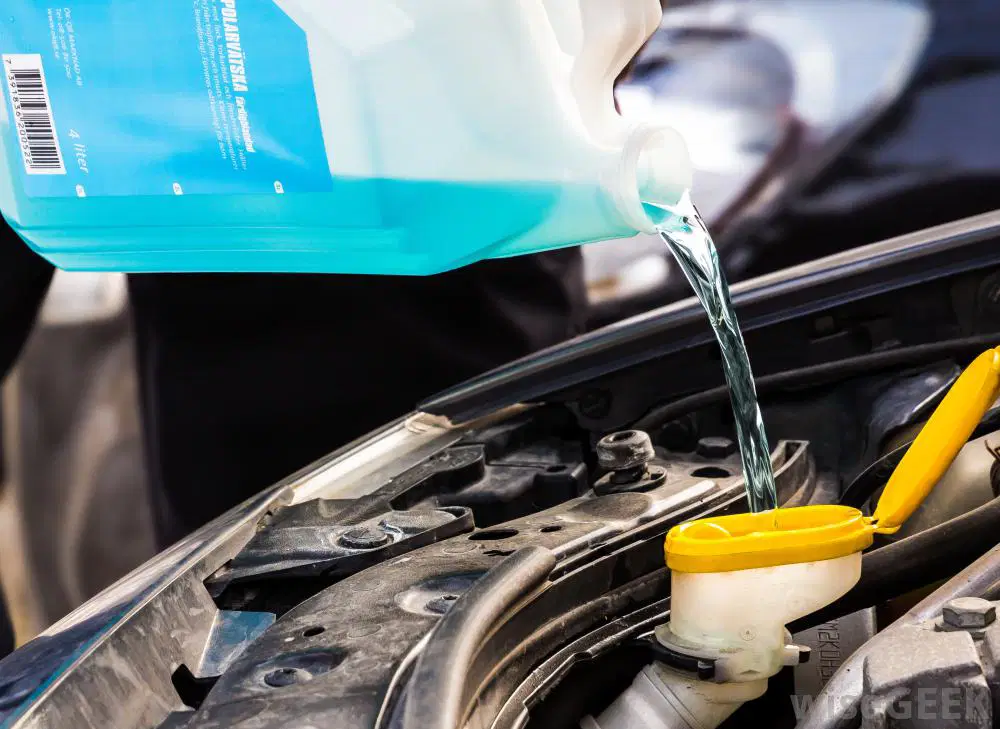
What Is Antifreeze Poisoning?
Antifreeze poisoning occurs when a person or animal is exposed to ethylene glycol, a toxic chemical commonly used in automotive antifreeze and coolant products. Even a small amount of antifreeze ingestion can cause severe illness and may be fatal if not identified and treated quickly.
Ethylene glycol is a clear, odorless liquid with a sweet taste, which increases the risk of accidental ingestion, especially among children, pets, and vulnerable adults.
Why Ethylene Glycol Is Extremely Dangerous
Once ingested, ethylene glycol is metabolized in the body into toxic acids that attack vital organs. These metabolites can cause:
- Severe metabolic acidosis
- Kidney failure
- Nervous system damage
- Cardiac complications
- Without timely detection, antifreeze poisoning can be life-threatening.
Common Causes of Antifreeze Exposure
Antifreeze poisoning cases typically involve:
- Accidental ingestion by children or pets
- Contaminated food or beverages
- Improper storage of antifreeze products
- Occupational or environmental exposure
- Intentional or unknown poisoning incidents
In some cases, exposure may not be immediately obvious, which delays diagnosis.
Symptoms of Antifreeze Poisoning in Humans
Symptoms may appear in stages and can worsen rapidly:
- Early symptoms
- Nausea and vomiting
- Dizziness or confusion
- Slurred speech
- Headache
- Progressive symptoms
- Rapid breathing
- Severe fatigue
- Decreased urine output
- Seizures or loss of consciousness
If you suspect antifreeze ingestion or unexplained chemical exposure, immediate evaluation is critical.
Can Antifreeze Poisoning Be Detected?
Yes. Ethylene glycol poisoning is detectable through advanced laboratory analysis, even when exposure is not obvious or occurred weeks earlier.
Standard medical tests may miss low-level or delayed exposure. This is where specialised toxicology testing becomes essential.
Ethylene Glycol Testing and Lab Detection
At The Carlson Company, antifreeze poisoning is evaluated using advanced analytical techniques, including:
- Gas Chromatography / Mass Spectrometry (GC/MS)
- Comparison against certified toxicology databases
This testing helps identify:
- Ethylene glycol presence
- Chemical metabolites linked to antifreeze intoxication
- Evidence of toxic exposure when symptoms are unexplained
This resource supports individuals seeking confirmation before or alongside medical or legal action.
When Should You Consider Antifreeze Poisoning Testing?
You should consider professional testing if:
- Symptoms appeared suddenly without explanation
- You suspect food or drink contamination
- A child or pet had access to antifreeze
- Medical results are inconclusive
- You need documented lab findings for legal or personal reasons
- Early confirmation can be critical for treatment decisions.
How The Carlson Company Can Help
The Carlson Company provides confidential toxicology evaluation and laboratory analysis for suspected antifreeze poisoning. Our role is to help identify chemical exposure and support informed next steps.
We work with:
- Private individuals
- Attorneys and investigators
- Medical professionals
- Our focus is accuracy, discretion, and clarity.
Speak With a Toxicology Expert
If you believe antifreeze poisoning or ethylene glycol exposure may be involved, don’t wait.
Call The Carlson Company at 866-889-3410
Or contact us online for confidential guidance and testing options.
Your questions are always welcome.
