
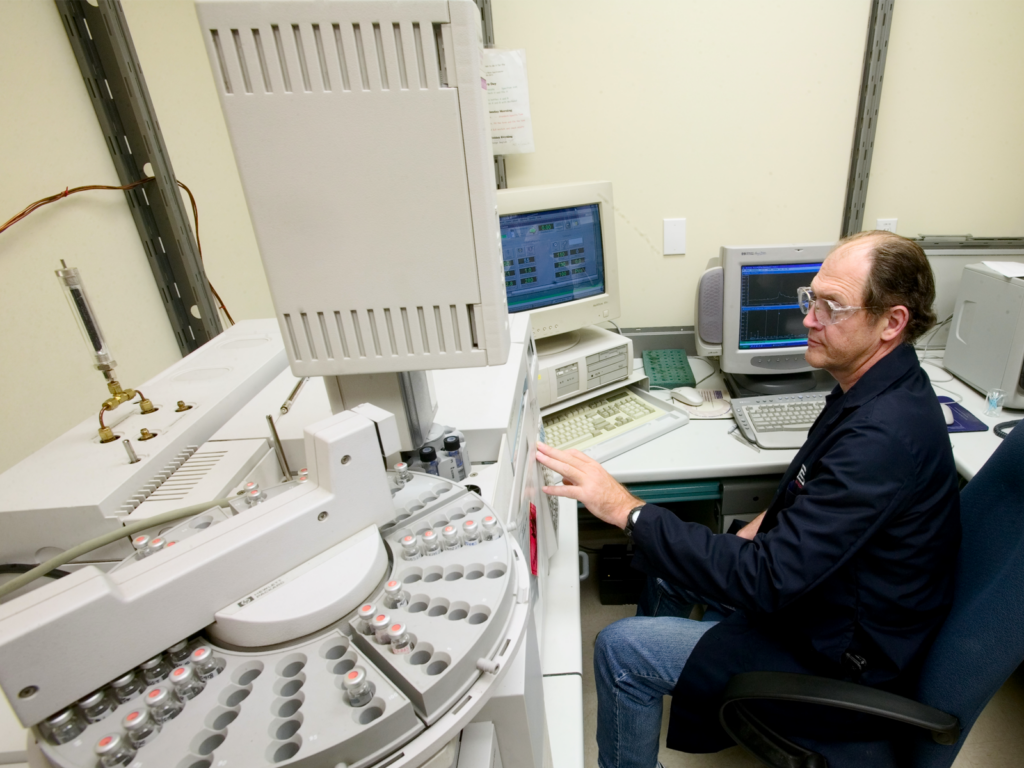
Standard lab tests are often the first step when someone suspects chemical exposure, poisoning, or drug contamination. But what happens when those tests come back negative and symptoms persist? This is where GC/MS testing becomes essential.
Gas Chromatography-Mass Spectrometry, commonly known as GC/MS, is one of the most advanced analytical methods used in forensic and toxicology testing. It can identify substances that routine tests simply cannot detect.
At The Carlson Company, GC/MS testing is frequently used when results matter and answers are not optional.
Why Standard Lab Tests Sometimes Miss Critical Results
Many conventional lab tests rely on screening methods designed to detect known substances within narrow limits. While useful, these tests can fall short in cases involving:
- Unknown chemical exposure
- Low-level or delayed drug ingestion
- Complex mixtures of chemicals
- Environmental or occupational contamination
- Non-standard toxins or synthetic compounds
Urine, saliva, or basic blood tests may fail to identify substances that have already metabolised or exist in trace amounts. This is a common reason people search for terms like “gc-ms test”, “gas chromatography drug test”, or “mass spectrometry testing” after receiving unclear results.
What Is GC/MS Testing and Why Is It Different?
GC/MS (Gas Chromatography-Mass Spectrometry) combines two powerful technologies:
- Gas Chromatography separates compounds within a sample
- Mass Spectrometry identifies each compound at the molecular level
Together, they allow labs to detect, identify, and confirm substances with extreme precision.
Unlike basic screening tests, GC/MS does not guess. It confirms.
This is why GC/MS is often referred to as the gold standard in forensic drug testing and chemical analysis.
What GC/MS Testing Can Reveal That Other Tests Cannot
GC/MS testing can uncover substances that standard lab methods routinely miss, including:
- Unknown drugs or metabolites
- Synthetic or designer substances
- Environmental and industrial chemicals
- Volatile organic compounds
- Low-dose or past exposure drugs
- Complex chemical mixtures
People often look for answers using queries like “what is a GC/MS drug test” or “gas chromatography mass spectrometry drug test” when initial tests fail. GC/MS is usually the next and most definitive step.
GC/MS Drug Testing vs Standard Drug Screens
Standard drug tests typically look for a fixed panel of substances. GC/MS testing goes further.
| Standard Drug Test | GC/MS Drug Test |
| Screens for known drugs | Identifies unknown substances |
| Lower detection accuracy | Extremely high accuracy |
| Short detection window | Extended detection insight |
| Screening only | Confirmatory and forensic-grade |
This is why GC/MS is commonly used as a confirmatory test in legal, workplace, and forensic investigations.
Detection Times and Accuracy With GC/MS Testing
A common concern is GC/MS drug test detection times. While detection windows depend on the sample type, GC/MS excels at identifying substances even after partial metabolism.
GC/MS testing is often used when:
- A drug was taken days or weeks ago
- Exposure was accidental or indirect
- The substance is unknown
- Results must be legally defensible
When Should You Consider GC/MS Testing?
You may need GC/MS testing if:
- You suspect unknown chemical exposure
- Standard lab tests came back negative but symptoms remain
- You need legally defensible results
- Workplace or environmental exposure is involved
- A toxic substance must be identified precisely
In these cases, working with a certified forensic laboratory like The Carlson Company is critical.
How GC/MS Testing Is Performed at The Carlson Company
At The Carlson Company, GC/MS testing follows strict forensic and quality standards:
- Sample Collection: Hair, nail, blood, or other approved samples are collected under controlled procedures.
- Gas Chromatography Analysis: Compounds within the sample are separated.
- Mass Spectrometry Identification: Each compound is identified using molecular fingerprinting.
- Confirmation and Reporting: Results are verified and reported with court-admissible documentation when required.
GC/MS Testing Cost: What to Expect
Search queries like “gcms testing cost” are common, and the answer depends on several factors:
- Sample type
- Complexity of analysis
- Scope of substances being tested
- Legal or forensic reporting requirements
Because GC/MS testing is highly specialised, pricing is customised. The Carlson Company provides clear guidance before testing begins, so there are no surprises.
GC/MS Testing: Why Lab Expertise Matters More Than Location
People often experience and accreditation matters far more than proximity.
GC/MS testing requires:
- Advanced instrumentation
- Experienced forensic analysts
- Reliable reference databases
- Strict chain-of-custody controls
The Carlson Company serves clients across the United States with professional sample handling and confidential reporting.
Speak With a GC/MS Testing Expert Today
If standard lab tests have left you without answers, GC/MS testing can provide clarity.
The Carlson Company offers trusted GC/MS testing services for individuals, legal professionals, and organisations nationwide.
📞 Call 866-889-3410
📩 Or contact us online to discuss your testing needs confidentially.
Frequently Asked Questions (People Also Ask)
1. What is a GC/MS drug test?
A GC/MS drug test uses gas chromatography and mass spectrometry to accurately identify drugs and their metabolites at a molecular level.
2. How does mass spectrometry work in drug testing?
Mass spectrometry identifies substances by analysing their molecular structure after separation through gas chromatography.
3. Is GC/MS testing more accurate than urine drug tests?
Yes. GC/MS testing is far more accurate and is often used to confirm or challenge screening results.
4. Can GC/MS detect unknown substances?
Yes. GC/MS is specifically designed to identify unknown chemicals and compounds.
5. When should GC/MS testing be used?
When results are unclear, legally sensitive, or involve unknown exposure, GC/MS testing is recommended.
