
Drug Testing for LSD (How Detection Really Works)
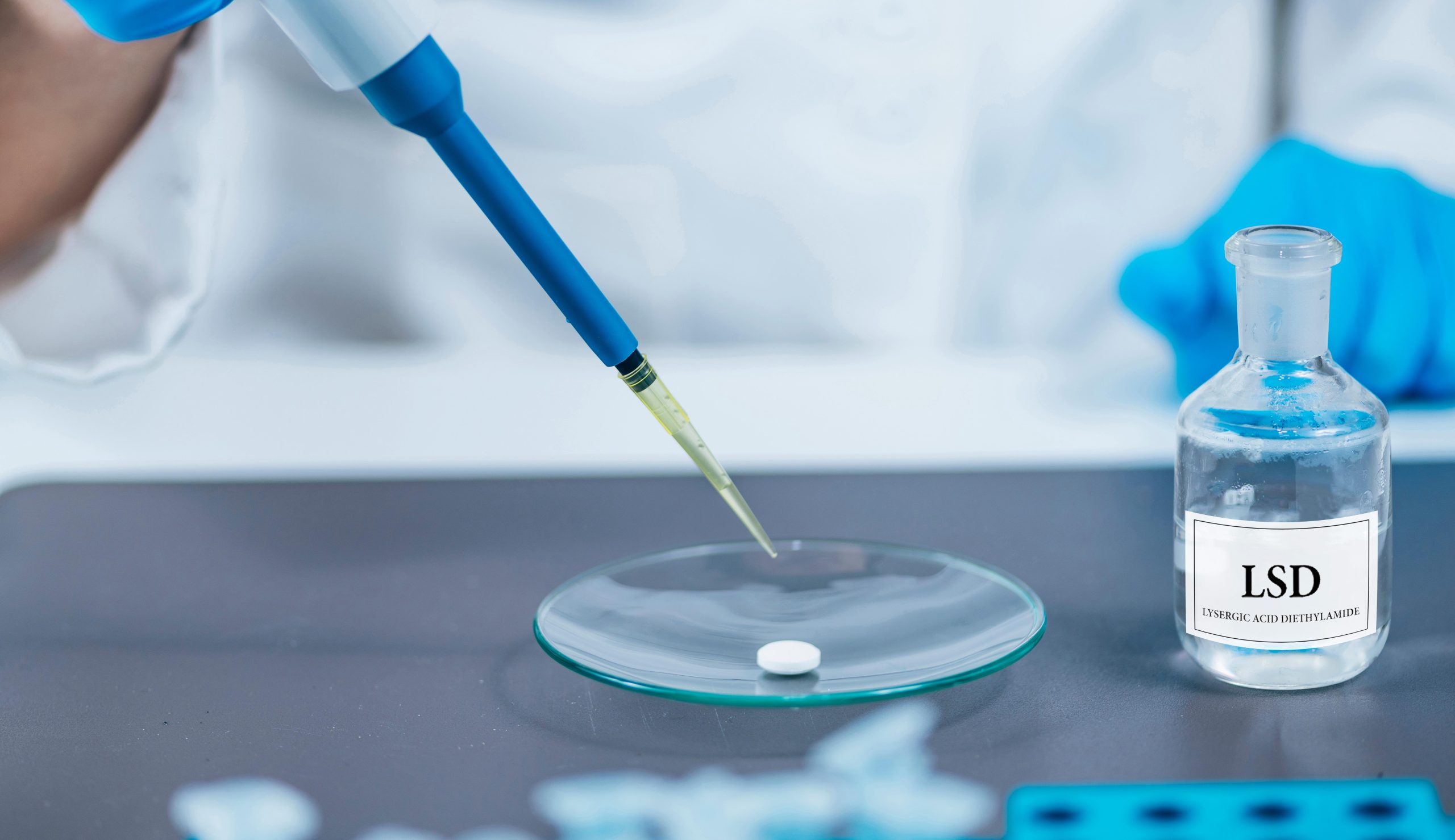
LSD, commonly known as acid, is a powerful hallucinogenic drug that affects perception, mood, and sensory awareness. Because it is active at extremely low doses and metabolises quickly, drug testing for LSD is far more complex than standard drug screening.
Many people ask whether LSD drug testing is even possible. While LSD detection is challenging, specialized laboratory testing for LSD can identify its presence under specific conditions using advanced toxicology methods. At The Carlson Company, we help individuals, legal teams, and professionals understand when LSD testing is appropriate and what results can realistically show.
Does LSD Show Up on a Drug Test?
One of the most common questions is: does LSD show up on a drug test?
In most cases, LSD does not appear on standard drug panels, including 5-panel or 12-panel drug tests. These panels are designed to detect substances like marijuana, cocaine, opiates, amphetamines, and PCP, not hallucinogens like LSD.
This leads to another important question: is there a drug test for LSD?
Yes, but it requires specialised LSD drug testing performed in a forensic or toxicology laboratory, not routine workplace screening.
How Long Is LSD Detected in the Body?
LSD is rapidly metabolised, which limits its detection window.
- Blood: Detectable for a few hours after use
- Urine: Rarely detectable beyond 24 hours
- Hair: Detection is possible but inconsistent and case-dependent
Because LSD is active at microgram levels, timing is critical. This is why professional guidance is essential when considering LSD detection in toxicology.
How Do Laboratories Test for LSD?
So, how do they test for LSD if it does not appear on routine screens?
Professional LSD drug testing relies on advanced analytical techniques, such as:
- Gas Chromatography-Mass Spectrometry (GC-MS)
- Liquid Chromatography-Mass Spectrometry (LC-MS)
These methods are used in forensic LSD testing to identify trace compounds and metabolites. Testing must be conducted in a controlled laboratory environment with strict chain-of-custody procedures when results are required for legal or formal purposes.
Effects of LSD on the Body
LSD is typically absorbed orally through liquid drops, capsules, or blotter paper. While the most well-known effects are psychological, LSD also impacts physical systems, including:
- Increased heart rate, blood pressure, and body temperature
- Dizziness, nausea, and loss of appetite
- Muscle weakness, tremors, and sweating
Psychological effects may include distorted sensory perception, emotional shifts, altered sense of time, and visual hallucinations. In some cases, individuals experience severe anxiety or panic, often referred to as a “bad trip.”
A rare but serious long-term risk is Hallucinogen-Induced Persisting Perception Disorder (HPPD), where visual disturbances or flashbacks persist long after LSD use has ended.
When to Consider Professional LSD Drug Testing
You may need professional LSD drug testing if:
- LSD exposure is suspected in a legal or forensic case
- Confirmation is required beyond standard drug testing
- You need expert interpretation of toxicology results
- Timing and testing limitations must be clearly explained
Because of the complexity involved, working with an experienced toxicology laboratory is critical.
Get Confidential LSD Testing Guidance from The Carlson Company
If you are unsure whether LSD is detectable in your situation or need help determining the right testing approach, The Carlson Company provides expert toxicology consultation and laboratory coordination.
We support legal professionals, healthcare providers, and individuals with accurate information, confidential handling, and scientifically sound testing pathways.
Have questions about LSD drug testing?
📞 Call +1 866-889-3410 today or contact our team to discuss your case confidentially.
