
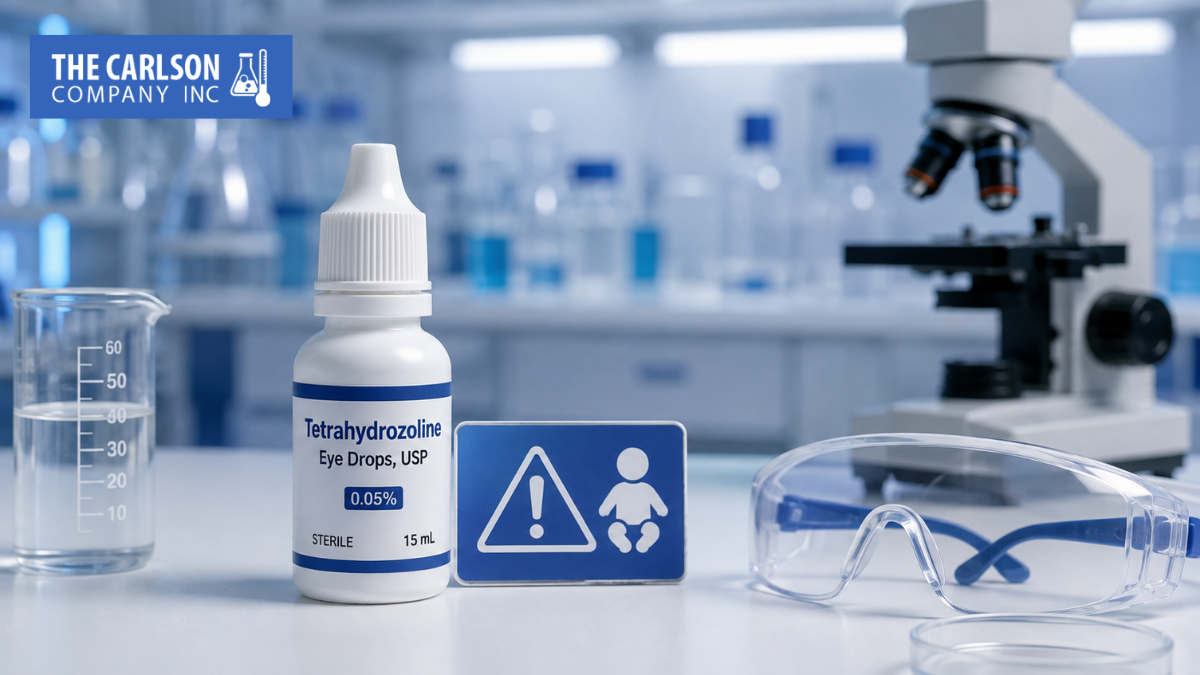
Eye drops are a common household medicine, but many parents don’t realise that some redness-relief products can become dangerous if swallowed. One of the ingredients responsible for these risks is tetrahydrozoline, a medication that can cause serious health effects when ingested by infants and young children. Even a small amount may affect the brain, heart, and breathing, making prompt medical attention essential.
Because symptoms can appear quickly and may resemble other childhood illnesses, recognising tetrahydrozoline poisoning symptoms in children is critical. Whether your child accidentally drinks eye drops or is exposed to them in another way, knowing what to look for and how to respond can help reduce the risk of severe complications.
This guide explains what tetrahydrozoline is, why eye drop poisoning in toddlers requires immediate attention, the warning signs parents should never ignore, and the first steps to take if a child swallows eye drops. You’ll also learn when emergency treatment is needed and how to prevent similar accidents at home.
What is Tetrahydrozoline?
Tetrahydrozoline is an active ingredient commonly found in over-the-counter eye drops that temporarily reduce eye redness by narrowing small blood vessels on the surface of the eye. While it is safe when used according to the product’s instructions, it is intended only for external use.
If swallowed, tetrahydrozoline enters the bloodstream instead of remaining in the eye. Once absorbed, it can affect the central nervous system and cardiovascular system, leading to symptoms that range from mild drowsiness to life-threatening complications. This is why healthcare professionals consider accidental eye drop ingestion a medical concern, particularly in children under the age of five.
Why is Tetrahydrozoline Poisoning More Dangerous for Children?
Children are more sensitive to medications than adults because their bodies are still developing. Their lower body weight means that even a few drops may represent a much larger dose relative to their size, increasing the likelihood of poisoning.
Young children are also naturally curious. Eye drop bottles are often small, lightweight, and easy to reach, making them attractive to toddlers who explore objects by placing them in their mouths. Unfortunately, this combination of accessibility and increased sensitivity means that tetrahydrozoline poisoning in children can occur more easily than many parents expect.
Although not every exposure results in severe illness, no suspected ingestion should be ignored. A child may initially appear normal before symptoms develop over the following hours, making observation and timely medical advice extremely important.
For families, caregivers, and healthcare professionals seeking reliable toxicology information, The Carlson Company provides educational resources that help improve understanding of poisoning risks, chemical exposure, and laboratory science.
How Does Tetrahydrozoline Affect the Body?
After being swallowed, tetrahydrozoline is absorbed through the digestive tract and rapidly enters the bloodstream. Instead of working only in the eyes, it begins affecting blood vessels and the nervous system throughout the body.
The medication may slow heart activity, lower blood pressure, reduce alertness, and suppress normal breathing. These effects explain what happens if a child drinks eye drops containing tetrahydrozoline and why symptoms should never be dismissed as simple tiredness or illness.
The severity of poisoning depends on several factors, including the child’s age, body weight, the amount swallowed, and how quickly medical care is received.
Emergency Signs of Tetrahydrozoline Poisoning in Children
Recognising the early warning signs can make a significant difference in treatment outcomes. Symptoms usually develop within a few hours of ingestion, although the timing and severity can vary between children.
- Early Symptoms: In the early stages, children may appear unusually sleepy or less active than normal. Some become pale, weak, or irritable, while others develop pinpoint pupils or seem unusually difficult to wake. Because these symptoms can resemble fatigue or a viral illness, parents may not immediately associate them with poisoning.
- Moderate Symptoms: As the medication continues to affect the body, symptoms often become more noticeable. A child may experience vomiting, confusion, poor coordination, or increasing difficulty staying awake. Healthcare providers may also observe a slower heart rate and lower blood pressure, both of which require careful monitoring.
If these symptoms appear after accidental eye drop ingestion, medical evaluation should not be delayed.
Severe Symptoms That Require Immediate Medical Attention
Although uncommon, severe poisoning can occur and requires emergency care. Seek immediate medical assistance if your child develops:
- Difficulty breathing or slow, shallow breathing
- Loss of consciousness or becomes difficult to wake
- Seizures
- Blue lips or fingertips
- Collapse or extreme weakness
These tetrahydrozoline overdose symptoms may indicate a serious medical emergency that requires urgent treatment in a hospital.
What Should You Do If Your Child Swallows Eye Drops?
If you suspect your child has swallowed an eye drop product, try to remain calm and act quickly. The first step is to identify the product and check whether tetrahydrozoline is listed as an active ingredient. Avoid inducing vomiting unless specifically instructed by a healthcare professional, as this may increase the risk of complications.
Keep your child under close observation and pay attention to changes in alertness, breathing, or behaviour. Bringing the eye drop bottle to the emergency department can also help healthcare providers identify the product and determine the most appropriate treatment.
Many parents ask, “Is tetrahydrozoline poisonous to children?” The answer is that even small amounts can cause significant symptoms in infants and toddlers. For this reason, every suspected exposure should be assessed carefully, even if the child appears well during the first few minutes after ingestion.
Why Early Recognition Matters
The outcome of pediatric tetrahydrozoline poisoning often depends on how quickly it is recognised and treated. Early medical assessment allows healthcare professionals to monitor vital signs, manage symptoms, and reduce the risk of serious complications before they become life-threatening.
Parents should never assume that the absence of immediate symptoms means a child is safe. Some effects develop gradually, which is why prompt medical advice remains the safest course of action whenever eye drop poisoning first aid may be required.
How Do Doctors Diagnose Tetrahydrozoline Poisoning in Children?
Diagnosing pediatric tetrahydrozoline poisoning begins with evaluating the child’s symptoms, medical history, and details about the suspected exposure. Since there isn’t a single test that confirms poisoning immediately, doctors rely on clinical findings, the timing of ingestion, and the type of eye drops involved.
Healthcare providers will assess vital signs such as heart rate, blood pressure, breathing, and oxygen levels. Depending on the severity of the symptoms, additional tests like an electrocardiogram (ECG) or blood tests may be performed to monitor the child’s condition and rule out other possible causes.
While this article focuses on poisoning in children, our detailed guide on tetrahydrozoline poisoning symptoms, treatment and prevention offers broader information about the condition, including its causes, diagnosis, treatment options, and preventive measures.
Emergency Treatment for Tetrahydrozoline Poisoning
The primary goal of emergency treatment for tetrahydrozoline poisoning is to stabilise the child and manage symptoms while the medication is naturally eliminated from the body. Because there is no specific antidote, treatment focuses on supportive medical care.
Children with mild symptoms may only need observation for several hours. However, more serious cases may require oxygen therapy, intravenous fluids, and continuous monitoring of heart rate, breathing, and blood pressure until they are stable. The treatment approach depends on factors such as the child’s age, body weight, overall health, and the amount swallowed.
Parents often ask, “How much tetrahydrozoline is toxic to a child?” Since every child responds differently, any suspected ingestion should be assessed by a healthcare professional rather than waiting for symptoms to worsen.
Recovery and Possible Complications
Most children recover fully when tetrahydrozoline poisoning is recognised early and treated promptly. Mild cases often improve within a few hours, while more severe cases may require overnight observation or additional supportive care.
Although uncommon, delayed treatment can increase the risk of complications, including respiratory depression, prolonged low blood pressure, slow heart rate, or reduced oxygen delivery to the body’s organs. Seeking medical attention as soon as tetrahydrozoline overdose symptoms appear significantly improves the chances of a full recovery.
Why Toxicology Expertise Matters
Poisoning cases often require specialised knowledge to accurately identify toxic substances and support clinical decision-making. When laboratory analysis is needed, professional toxicology testing services can provide valuable scientific insights for healthcare providers, legal professionals, and organisations managing complex exposure cases.
How Can Parents Prevent Tetrahydrozoline Poisoning?
The best way to reduce the risk of tetrahydrozoline toxicity in children is through safe medication storage and close supervision. Eye drops may seem harmless, but they should be treated with the same level of care as any prescription or over-the-counter medication.
Store eye drops in a locked cabinet or a location that children cannot see or reach. Always replace the cap securely after each use, and avoid leaving bottles on bedside tables, bathroom counters, or inside handbags where curious children may find them. It’s also a good habit to return medications to their designated storage place immediately after use rather than setting them aside.
Teaching older children that medicines are not food or drinks can also help reduce the risk of accidental poisoning from eye drops. If someone else is caring for your child, ensure they know where medications are stored and understand the importance of keeping them out of reach.
Simple Safety Tips for Every Household
Preventing eye drop ingestion symptoms starts with creating safer habits at home. Small changes can significantly reduce the likelihood of accidental exposure.
- Keep all eye drops in their original labelled containers.
- Store medications out of the sight and reach of children.
- Never transfer eye drops into another bottle or container.
- Check products before use to avoid accidental administration.
- Dispose of expired or unused medications safely.
Developing these habits can help protect children from avoidable poisoning incidents and improve overall medication safety at home.
Frequently Asked Questions
Can expired eye drops still cause poisoning if swallowed?
Yes. Even if eye drops have expired, the active ingredient may still be present and could cause harmful effects if ingested. Any suspected exposure should be evaluated by a healthcare professional.
Can tetrahydrozoline poisoning affect older children or adults?
Although infants and toddlers are at the greatest risk because of their smaller body size, older children and adults may also experience poisoning if a sufficient amount is swallowed. The severity depends on the individual’s age, health, and the quantity ingested.
Are all redness-relief eye drops equally dangerous if swallowed?
Not necessarily. Different products contain different active ingredients, so the level of risk varies. Reading the product label and informing healthcare providers about the exact product involved is important.
Can poisoning symptoms return after a child seems better?
In some cases, healthcare providers may recommend continued observation to ensure symptoms do not recur. Always follow discharge instructions and seek medical attention if your child’s condition changes after returning home.
Conclusion
Although uncommon, tetrahydrozoline poisoning in children should always be treated as a potentially serious medical emergency. Because even small amounts of certain eye drops can affect the heart, breathing, and nervous system, recognising the warning signs and seeking prompt medical care can make a significant difference in recovery.
Parents and caregivers play a vital role in preventing accidental exposure by storing medications safely, supervising young children, and acting quickly if ingestion is suspected. Understanding what happens if a child drinks eye drops and knowing when to seek emergency care can help reduce the risk of severe complications.
If you have questions about our toxicology capabilities or would like to learn more about our laboratory expertise, contact our team to discuss how we can assist you.
