
Top 10 Most Dangerous and Deadliest Drugs
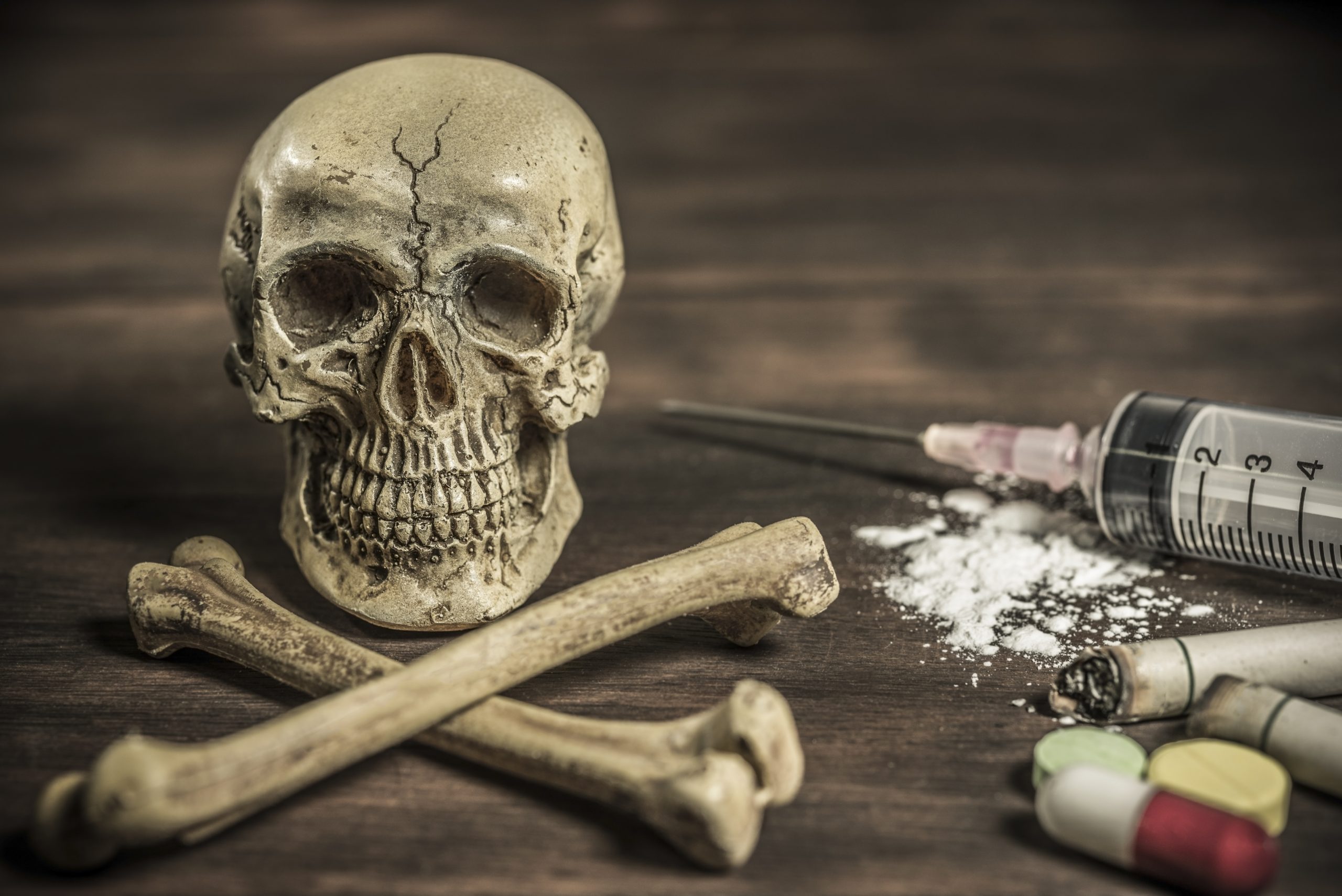
Understanding the most dangerous drugs is critical for public safety, medical awareness, and forensic investigation. Some substances cause harm because of extreme potency, while others create long-term organ damage or high overdose risk.
The most deadly drugs today often include synthetic opioids, powerful stimulants, and substances that severely impact the brain, heart, and respiratory system. Knowing the risks can help individuals, families, and professionals make informed safety decisions.
If you suspect exposure to a dangerous drug, professional laboratory testing can help identify unknown substances and provide reliable forensic or toxicology results.
Why Some Drugs Are More Dangerous Than Others
Drug danger is usually determined by several scientific factors:
- Toxicity level in the body
- Overdose potential
- Addiction risk
- Long-term organ damage
- Impact on brain and respiratory function
- Risk when combined with other substances
Modern toxicology testing helps detect these substances even when standard screening tests cannot.
Top 10 Most Dangerous Drugs
1. Synthetic Opioids (Including Fentanyl and Similar Compounds)
Synthetic opioids are among the deadliest drugs due to extreme potency and high overdose risk. Even very small amounts can be life-threatening.
2. Heroin
Heroin remains one of the most addictive and dangerous illicit drugs. It significantly increases overdose risk, especially when mixed with synthetic opioids.
3. Methamphetamine
Methamphetamine severely impacts the brain, cardiovascular system, and mental health. Long-term use can cause permanent neurological damage.
4. Cocaine and Crack Cocaine
These powerful stimulants increase heart attack, stroke, and sudden death risk, particularly when used repeatedly or in high doses.
5. Prescription Opioids (When Misused)
While medically useful, prescription opioids can become highly dangerous when misused or combined with other depressants.
6. MDMA (Ecstasy)
MDMA can cause severe dehydration, overheating, and long-term neurological effects with repeated use.
7. Inhalants
Inhalants can cause immediate organ damage and sudden death, especially with repeated exposure.
8. Anabolic Steroids (When Abused)
Long-term misuse can lead to heart disease, liver damage, and hormonal disruption.
9. Alcohol (High-Risk When Abused)
Alcohol remains one of the most widely used substances linked to long-term organ damage and overdose deaths when heavily abused.
10. Tobacco (Long-Term Mortality Risk)
While slower acting than other substances, tobacco contributes to long-term fatal health conditions including cancer and cardiovascular disease.
How Toxicology Testing Helps Identify Dangerous Drugs
Professional toxicology testing can:
- Identify unknown substances
- Detect drug exposure history
- Support legal and forensic investigations
- Provide medical insight after suspected poisoning or exposure
Advanced laboratory methods such as chromatography and mass spectrometry help detect substances even at trace levels.
When You Should Consider Professional Drug or Toxicology Testing
You may need testing if you:
- Found an unknown powder, pill, or liquid
- Suspect drug exposure or poisoning
- Need legal or forensic documentation
- Need confirmation for medical or personal safety reasons
Why Choose The Carlson Company
The Carlson Company provides confidential, professional toxicology and forensic testing services using advanced laboratory methods.
Our team works with individuals, attorneys, medical professionals, and investigators who need accurate, defensible results.
Need Help Identifying a Dangerous or Unknown Substance?
If you are concerned about exposure to a dangerous drug or unknown substance, professional testing can provide clear answers.
Contact The Carlson Company today to discuss your situation and determine the most appropriate testing option.
